3rd November 2025
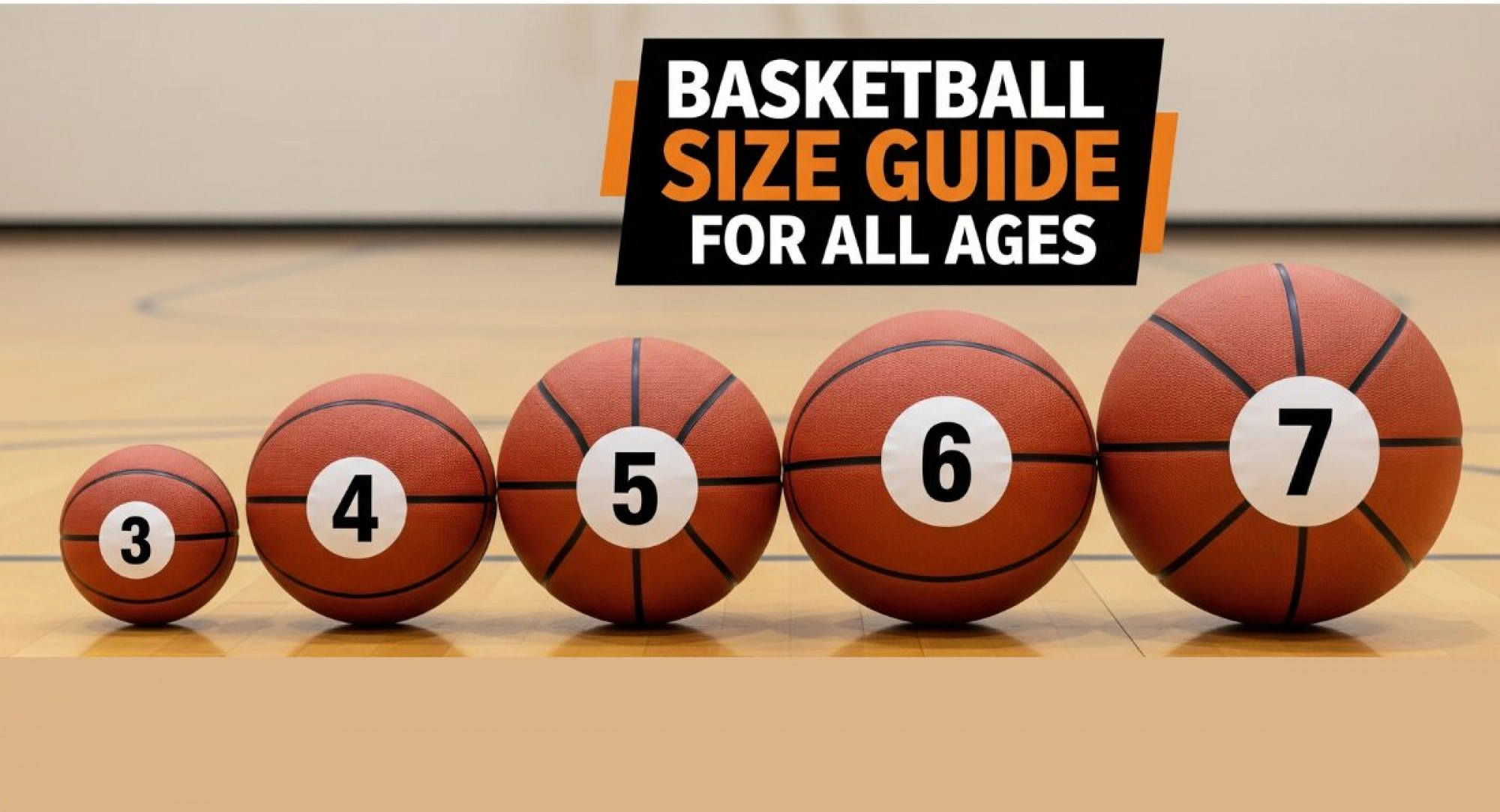
Choosing the right basketball is a lot like finding the perfect pair of trainers—if it doesn’t fit properly, it just won’t feel right. Whether your child is picking up their very first size 3 basketball, or you’re a teenager moving up to a basketball size 6, the correct ball size makes all the difference in comfort, control, and skill development. Choosing the right basketball size is especially important for beginners. If your child is just starting, check out our guide on prepare your child for their first basketball class.
In this basketball size guide, we’ll walk you through all the basketball ball sizes—from size 3 for beginners to the official basketball size 7 used in professional leagues. Think of it as your easy-to-follow basketball size chart, created to help parents, coaches, and players choose the right fit for every age and stage of the game.
Using the correct ball helps improve coordination and confidence, which are key physical benefits of basketball for children. The size of a basketball plays a critical role in both player development and overall performance. Selecting the correct basketball size ensures that players can handle the ball with proper control, accuracy, and confidence. For example, a young child attempting to use a full-size basketball size 7 may struggle with its weight and circumference, which can hinder technique and lead to frustration. Conversely, an adult using a size 3 basketball would find it unrealistic for competitive play, as it fails to replicate the feel of regulation standards.
A properly matched ball size allows players to develop correct shooting form, improve dribbling skills, and build strength gradually. It also helps to reduce the risk of developing poor habits or overexertion caused by handling a ball that is too heavy or oversized.
Finding the right basketball size is the foundation of developing skills at every stage of the game. Below is a breakdown of the official basketball ball sizes and their recommended age groups, from mini basketballs for children to the official size used in professional play.
A size 3 basketball is the smallest standard ball available, often referred to as a mini basketball. With a circumference of around 22 inches and a weight of approximately 300 grams, it is designed for children 5 years old and under. Its lightweight build helps young players develop hand–eye coordination and basic dribbling skills without difficulty.
The basketball size 5 is the official ball for boys and girls aged 6 and above. With a circumference of 27.5 inches and weighing 17 ounces, it is recognised as the “junior basketball.” This size strikes the right balance between being light enough for children to manage while still introducing them to a game-like experience.
The basketball size 6 is widely used in intermediate levels, but also is recognised as the official womens basketball. Measuring 28.5 inches in circumference and weighing 20 ounces. It provides a manageable weight and feel while promoting the development of advanced skills.
The basketball size 7 is the regulation ball used in men’s basketball, including the NBA, FIBA, and other professional leagues. With a circumference of 29.5 inches and a weight of 22 ounces, this is the standard ball for male players aged 15 and older. Its size and weight replicate official gameplay and prepare athletes for competitive performance.
Selecting the correct basketball size is essential for players of all ages, from toddlers learning their first dribble to professionals competing at the highest level. Each ball size is carefully designed to match specific age groups, ensuring the right balance of weight, circumference, and control. A smaller ball gives younger players the confidence to develop basic skills, while larger, regulation sizes prepare older athletes for competitive play.
Yes, the basketball size 7 is the official ball used in the NBA, FIBA, and most men’s professional competitions worldwide. With a circumference of 29.5 inches and a weight of 22 ounces, it is the regulation size for male players aged 15 and older.
When choosing a basketball, consider three key factors: age, gender, and playing level. Younger children should start with smaller sizes like a size 3 basketball or size 5 basketball, while teenagers and adults can progress to basketball size 6 or the official basketball size 7. It’s also important to choose the right material—indoor leather balls for hardwood courts or durable composite balls for outdoor use.
To choose the right ball, match the basketball size with the player’s age and level:
Selecting the right basketball size is more than just a detail—it’s a key part of skill development, confidence, and enjoyment of the game. From a size 3 basketball for beginners to the official size 7 basketball used in professional leagues, each step prepares players for the next stage in their journey. Using the correct basketball ball size ensures proper technique, prevents frustration, and creates a stronger foundation for future performance. Want to get started? Explore our kids basketball classes near you and help your child develop skills with the right training.
Celebrating an Incredible 2025 for Young Ballerz Basketball
8th December 2025
As we head towards Christmas and wrap up another exciting year at Young Ballerz Basketball, it feels like the perfect moment to look back on what has…
From Passion to Purpose: How Young Ballerz Basketball Began – and Where We’re Heading Next
21st January 2026
Basketball has always played a big part in my life. I first started playing properly when I was around 11 years old, as I began senior school, and fro…
Grassroots Growth – Building the Game from the Ground Up
15th October 2025
For us at Young Ballerz Basketball, this has always been about more than just weekly classes. From the very beginning, we wanted to build something th…